The "One-Screen" Warehouse: Why Your Team Hates Your Current Software

Updated: Jun 5
TL;DR: Modern warehouses are failing not because of a lack of data, but because of too much complexity. Over-complicated ERPs create fragmented technology stacks that frustrate teams and slow down training. Transitioning to a unified, "one-screen" dashboard allows new hires to become productive in minutes and turns passive data into instant operational action.
What Is the Easiest Data Tool for Warehouse Managers?
If you walk onto your warehouse floor today, you will likely see supervisors juggling four different browser tabs just to answer one question: "Where is the bottleneck?" Traditional Enterprise Resource Planning (ERP) systems were built for back-office accounting, not the high-velocity reality of a distribution center.
When your software requires a three-week certification course just to log a return, you do not have a tool; you have a liability. The easiest data tool is not the one with the most features - it is the one that collapses the gap between seeing a problem and fixing it.

1. The Complexity Tax on Talent
Labor remains the most volatile variable in logistics.With Omniful reporting a global warehouse workforce of over 7 million, companies can no longer afford slow training; fast onboarding is now a major competitive edge.
When software is over-engineered, your "time-to-productivity" for a new hire skyrockets. Fragmented systems create data silos where employees resist using the system because the user interface feels like a hurdle rather than a help. A unified dashboard removes this "manual intervention" tax, allowing a new recruit to understand the entire flow of the facility on a single, intuitive interface.
2. The One-Screen Warehouse: From Passive Data to "Data Activation"
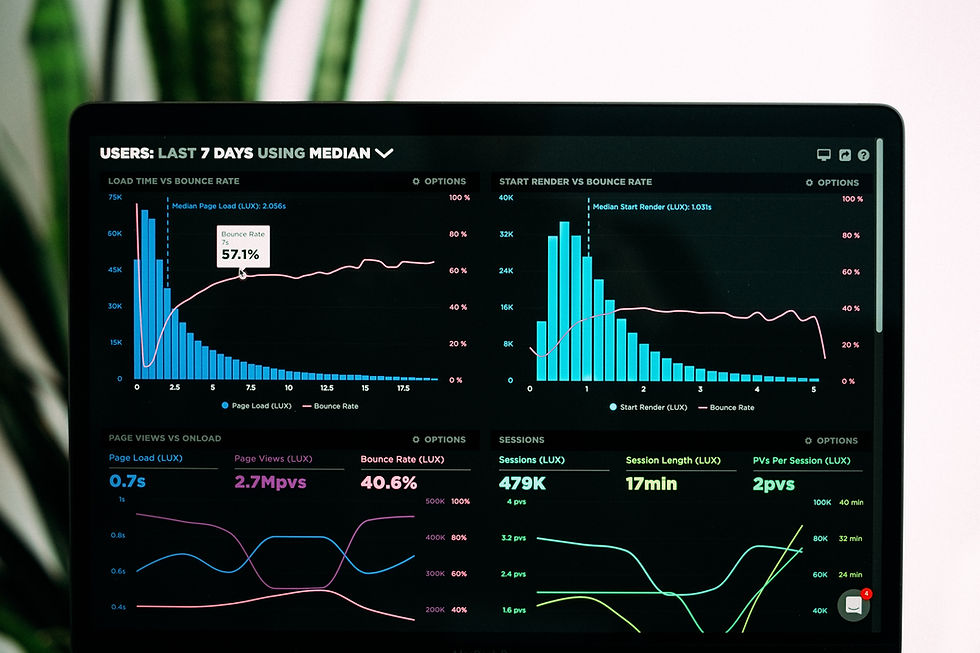
Most warehouse managers are drowning in reports they do not have time to read. A "one-screen" warehouse shifts the focus from data analysis to data activation.
Instead of searching through modular add-ons to find inventory discrepancies, a simplified dashboard uses visual cues to highlight risks. Industry benchmarks provided by Logic ERP suggest that implementing an integrated Warehouse Management System (WMS) can lead to a 20–35% reduction in labor costs simply by optimizing paths and reducing the time wasted on manual data reconciliation. When the data is synchronized in real time, the system can automatically flag a shipment delay long before it impacts your throughput.
3. Fighting the "Illusion of Efficiency"
Many businesses suffer from the illusion that their systems work because orders are still going out the door. However, if your team relies on "workarounds" or external spreadsheets to manage daily fires, your ERP is failing you.
Modern logistics is defined by execution maturity. This means having a single operational view that integrates supplier signals and floor productivity. According to Omniful, it is estimated that over 90% of warehouses will adopt or plan to use a WMS to handle these complexities. If your current software feels like a maze, it is time to trade the modules for a dashboard that even a ten-minute trainee can navigate.
Reclaiming the Warehouse Floor
Simplifying your supply chain data is not about "dumbing down" the operation; it is about empowering the people who run it. A "one-screen" approach ensures that your team spends less time fighting the software and more time moving inventory. When you eliminate the friction of fragmented platforms, you create a motivated workforce ready to meet the demands of a high-speed market.
FAQs
Why do employees resist new warehouse software?
Most resistance stems from inadequate training or a lack of clear benefits. If a system is too complex, workers view it as a distraction. A user-friendly dashboard solves this by showing them exactly how the data makes their job easier.
Can a simple dashboard handle complex multi-channel fulfillment?
Yes. The complexity should live in the back-end logic, not the user interface. A well-designed "one-screen" system aggregates direct-to-consumer and marketplace data into a single view.
How does a unified view improve "Perfect Order Rates"?
By instantly flagging picking discrepancies and tracking order cycle times in real time, a unified dashboard prevents errors before they leave the dock.
Reach out to us at info@fluidata.co
Author: Tajkiratul Azmi
Marketing Intern, Fluidata Analytics


Comments